
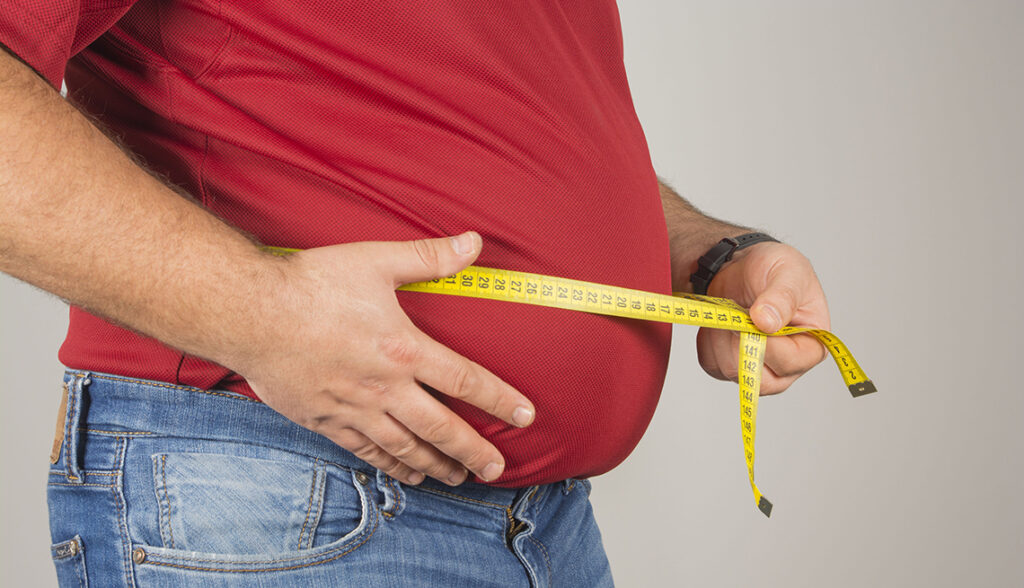
Belly fat isn’t just a nuisance that makes your clothes feel tight—it’s a serious health concern. This type of fat, known as visceral fat, surrounds your internal organs and is strongly linked to conditions like type 2 diabetes, heart disease, and hormonal imbalances. The good news? You can reduce belly fat naturally through consistent lifestyle changes that don’t involve crash diets or hours at the gym.
In this post, we’ll dive into seven practical, science-backed strategies to help you shed stubborn abdominal fat and improve your overall health and confidence.

1. Eat More Whole, Unprocessed Foods
One of the most effective ways to reduce belly fat is to clean up your diet. That means limiting highly processed foods and emphasizing whole, nutrient-dense options.
Why it works:
Processed foods often contain hidden sugars, unhealthy fats, and preservatives that can contribute to weight gain, especially around the belly. Whole foods, on the other hand, are naturally rich in fiber, vitamins, and minerals. They keep you full longer, prevent overeating, and regulate blood sugar levels.
Tips to get started:
Swap out white rice for quinoa or brown rice.
Choose whole fruits instead of fruit juices.
Opt for fresh vegetables, legumes, lean meats, and nuts.
Making whole foods the foundation of your diet doesn’t just help burn fat—it nourishes your body from the inside out.
2. Cut Back on Sugar and Refined Carbohydrates
One of the main culprits behind belly fat is excess sugar and refined carbs. These rapidly spike your blood sugar and insulin levels, which promotes fat storage in the abdominal area.
Why it works:
Studies have shown that reducing your intake of added sugars—particularly from sugary drinks and baked goods—can significantly reduce visceral fat.
How to reduce sugar and refined carbs:
Replace soda and sweetened beverages with water, lemon water, or herbal teas.
Minimize white bread, pasta, and pastries.
Read food labels for hidden sugars under names like high-fructose corn syrup, maltose, or dextrose.
If you’re craving something sweet, reach for a piece of dark chocolate or a bowl of mixed berries.
3. Increase Your Protein Intake
Protein is one of the most important nutrients for fat loss. It not only helps you feel full longer, but it also increases your metabolism and helps preserve lean muscle during weight loss.
Why it works:
Eating a higher protein diet has been linked to lower abdominal fat levels. Protein regulates hormones that control appetite, like ghrelin, and keeps blood sugar stable.
High-protein food options:
Eggs
Chicken or turkey breast
Greek yogurt
Lentils and beans
Tofu and tempeh
Salmon and other fatty fish
Try to include a source of protein in every meal. A protein-packed breakfast, like scrambled eggs with spinach or a smoothie with Greek yogurt and berries, can set the tone for the rest of the day.
4. Add Regular Exercise to Your Routine
No surprises here—physical activity plays a crucial role in belly fat reduction. However, you don’t need to commit to long, intense workouts every day. A combination of cardio and strength training works best.
Why it works:
Cardiovascular exercise burns calories and improves your heart health, while strength training builds lean muscle. The more muscle you have, the more calories your body burns at rest—even while you’re sleeping.
Smart ways to exercise:
Aim for at least 30 minutes of moderate-intensity cardio (like brisk walking, cycling, or dancing) most days of the week.
Incorporate strength training exercises such as squats, push-ups, and resistance band workouts 2–3 times a week.
Try High-Intensity Interval Training (HIIT) for efficient fat-burning.
The key is to stay consistent and find physical activities that you enjoy.
5. Manage Your Stress Levels
Stress might seem like an emotional issue, but it can have a very real impact on your waistline. Chronic stress causes the release of cortisol, a hormone that increases appetite and encourages fat storage—especially in the belly.
Why it works:
High cortisol levels are directly linked to increased visceral fat. Managing stress isn’t just about feeling better mentally—it also plays a role in your physical health.
Ways to reduce stress:
Practice deep breathing or meditation daily.
Try yoga, which combines movement with mindfulness.
Go for a nature walk or unplug from social media for a while.
Write in a journal or talk to a supportive friend.
Managing stress effectively can help break the cycle of emotional eating and improve overall well-being.
6. Get Enough Quality Sleep
When you’re sleep-deprived, your body goes into survival mode. Hormones that regulate hunger and satiety—ghrelin and leptin—go out of balance, making you crave high-calorie foods and slowing down your metabolism.
Why it works:
Several studies have shown a strong connection between poor sleep and increased belly fat. People who consistently get less than 6–7 hours of sleep tend to gain more weight over time.
Tips for better sleep:
Stick to a consistent sleep schedule.
Avoid screens at least one hour before bed.
Create a calming bedtime routine with dim lights, a warm shower, or light stretching.
Keep your bedroom cool, dark, and quiet.
Prioritizing rest isn’t lazy—it’s essential for fat loss and energy.
7. Be Patient and Stay Consistent
We live in a world that promises fast results—but real, lasting fat loss takes time. Crash diets and extreme routines often lead to temporary results and eventual burnout.
Why it works:
Sustainable habits, when done consistently, yield far better results than short-term fixes. Even small changes—like drinking more water or walking an extra 15 minutes per day—can add up over weeks and months.
Final tip:
Set realistic goals. Instead of saying “I want to lose 10 pounds this week,” aim for “I want to eat veggies with every meal” or “I’ll work out 3 times this week.”
Track your progress, not just with a scale, but with how you feel, how your clothes fit, and your energy levels.
The path to a healthier body isn’t always linear, but it’s worth the effort.

Conclusion:
Reducing belly fat isn’t about chasing unrealistic body ideals—it’s about creating a lifestyle that supports long-term health, energy, and confidence. By focusing on balanced nutrition, movement, stress management, and good sleep, you’ll not only see your waistline shrink, but also improve your overall quality of life.
Start small, stay consistent, and remember: every healthy choice counts.